When the Lake Becomes the Road: Driving on a Frozen Lake Road in Voyageurs National Park

How winter transforms Lake Kabetogama and opens an extraordinary new way to experience Voyageurs National Park.
There are places where winter means colder temperatures, shorter days, and a little snow on the ground.
And then there's Lake Kabetogama.
Here, winter doesn't simply change the scenery. It changes the map.
Think about it. In July, you're traveling across the lake by boat, navigating around islands and following familiar shorelines. A few months later, that same stretch of water becomes a vast, frozen landscape.
Snowmobiles follow winter routes across places where boats once traveled. Footprints appear where there were waves. And when conditions allow, the National Park Service opens designated ice roads where visitors can actually drive across a frozen lake.
Yes. Drive across a lake.
It's one of those wonderfully unusual experiences that makes winter in northern Minnesota—and especially around Voyageurs National Park—something worth discovering.
The Same Lake. A Completely Different World.

Picture a summer morning on Lake Kabetogama.
The water sparkles beneath the sun. Fishing boats head toward favorite spots. Families set out to explore the islands and shorelines of Voyageurs National Park. The sound of an outboard motor carries across the bay.
Now picture that same morning in February.
Snow blankets the shoreline. The islands rise from a seemingly endless stretch of white. The docks are quiet, the boats are tucked away, and the familiar sounds of summer have given way to something entirely different.
Perhaps there's a snowmobile making its way across a designated trail in the distance. Maybe you spot tracks in the snow, evidence of wildlife that passed through before you arrived.
Or maybe there's nothing moving at all.
Just the lake, the forest, and a kind of quiet that seems to belong to winter alone.
Same lake. Same islands. An entirely different experience.
Where the Water Becomes the Way

One of the most remarkable things about winter in the Northwoods is how frozen lakes can change the way people travel.
During the warmer months, water separates the islands from the mainland. Boats are the way to explore. In winter, when ice conditions permit, that same landscape can become part of an interconnected network of winter routes.
Snowmobilers travel designated trails across frozen waterways and through snow-covered forests, experiencing stretches of Voyageurs National Park that look almost unrecognizable beneath the snow.
And then there are the ice roads.
Yes, actual roads across frozen lakes.
When conditions are suitable, the National Park Service may establish and open designated ice roads within Voyageurs National Park, allowing properly equipped vehicles to travel across sections of frozen lake that are normally accessible only by water.
Imagine looking through your windshield and realizing you're driving where someone might have been fishing from a boat just months earlier.
No bridge. No ferry.
Just a remarkable seasonal transformation that makes an entirely different kind of journey possible.
It's the sort of experience that stays with you long after winter has passed.
Voyageurs National Park, Reimagined

Voyageurs National Park is famous for its waterways. In summer, boats carry visitors through a landscape of islands, bays, rocky shorelines, and wilderness.
But the park doesn't disappear when the water freezes.
It becomes something different.
Winter opens opportunities for snowmobiling, cross-country skiing, snowshoeing, wildlife watching, photography, and exploring a landscape that feels wonderfully removed from the everyday.
One particularly memorable example is Sphunge Island.
During the open-water season, reaching an island in Voyageurs typically means traveling by boat. But when winter conditions and designated access allow, visitors can reach Sphunge Island for an afternoon of sledding, winter scenery, and family fun.
Pack a thermos of cocoa. Bring the sleds. Make a day of it.
There's something delightful about spending a winter afternoon playing in the snow on an island in the middle of a frozen lake.
And it's a reminder that winter doesn't take away the possibilities of Voyageurs National Park.
It introduces entirely new ones.
Sometimes the Best Part Is Simply Being There

Of course, you don't have to drive an ice road or ride a snowmobile to appreciate what makes a frozen lake so extraordinary.
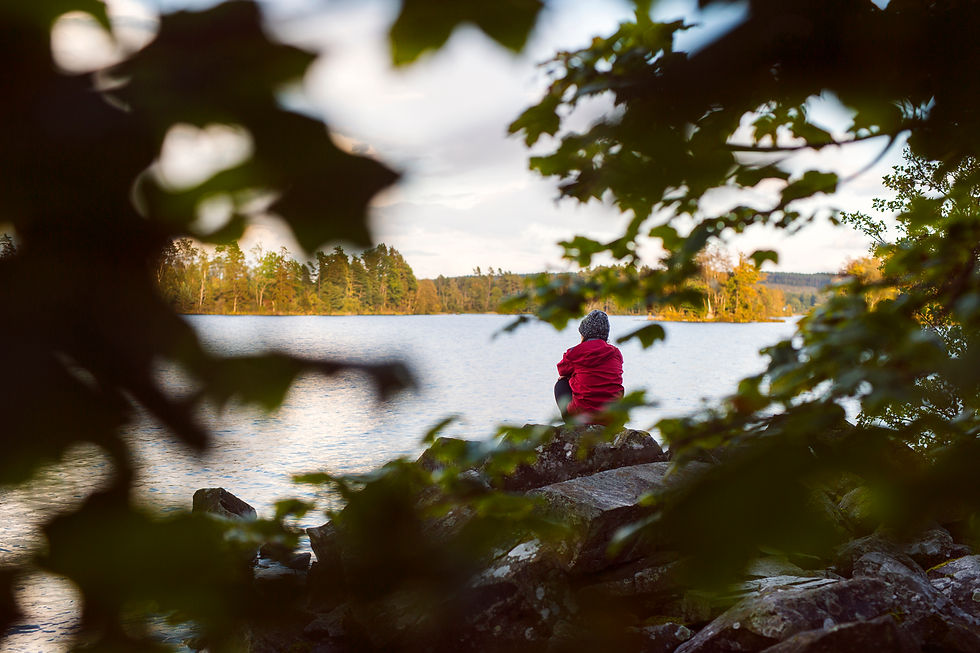
Sometimes the experience is simply standing along the shoreline, looking out across the ice, and realizing how completely the landscape has changed.
The water is still there beneath the frozen surface. The fish are still swimming below. The islands are exactly where they were in July.
But the view, the sounds, and the way you experience it all are different.
On a clear winter morning, the snow may sparkle beneath a brilliant blue sky. At sunset, the frozen lake can reflect soft shades of pink and gold. And after dark, the wide-open landscape becomes an incredible place to appreciate the stars and, when conditions are right, the northern lights.
It's a side of Lake Kabetogama that visitors in summer never get to see.
And one that's well worth coming back for.
Before You Cross the Ice: Frozen Lake Ice Road Safety

As extraordinary as frozen-lake travel can be, it's important to remember that winter conditions are constantly changing.
Not all frozen lakes—or even all areas of the same lake—are safe for travel. Ice thickness can vary, and currents, pressure ridges, weather, and other factors can create dangerous conditions.
Never assume ice is safe simply because it looks solid or because someone else has crossed it.
Designated snowmobile routes and National Park Service ice roads open only when conditions permit. Always check current official conditions, follow posted closures and designated routes, and use the appropriate vehicle and equipment for the route.
For the most up-to-date information, consult the National Park Service before heading out.
Helpful winter planning resources:
A Winter Bucket List Item: Driving Across a Frozen Lake

Some places are worth visiting more than once. Lake Kabetogama is one of them.
Because when you return in winter, you aren't simply seeing the same landscape covered in snow. You're discovering a different way to experience it.
The lake that carried your boat in July may become part of a designated winter route in February. The islands you explored in summer take on a different kind of beauty. And the familiar Northwoods landscape reveals something you might never have imagined.
Winter doesn't just change the view. It changes where you can go.
And that's a Kabetogama experience worth discovering.
Go Explore. Come Home to Kab.
Keep Exploring:


Comments